
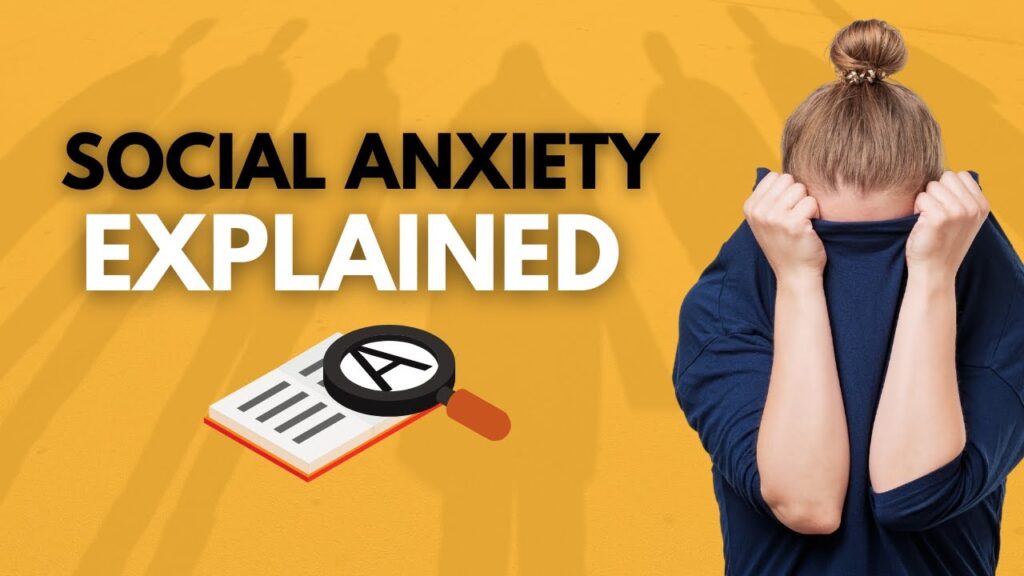
Social anxiety is more than occasional nervousness in social settings it is a persistent and often overwhelming fear of being judged, embarrassed, or negatively evaluated by others. For many adults, social anxiety can interfere with relationships, career growth, and overall quality of life. Simple activities such as speaking in meetings, attending gatherings, or even making phone calls can feel daunting.
At Hamlet Medical Practice, under the care of Dr. Naheed Akhtar, MD, we understand how deeply social anxiety can affect daily functioning. Our focus on adult psychiatric care ensures that individuals receive structured, personalized, and evidence-based support to manage symptoms effectively. While professional care is essential for many individuals, there are also practical strategies that can significantly reduce social anxiety and improve confidence over time.
This comprehensive guide outlines five practical, clinically supported ways to manage social anxiety, along with actionable steps to incorporate into daily life.
Understanding Social Anxiety in Adults
Social anxiety disorder involves intense fear or avoidance of social situations due to concerns about embarrassment, rejection, or criticism. It often presents with both emotional and physical symptoms, including:
- Rapid heartbeat or sweating in social settings
- Difficulty speaking or maintaining eye contact
- Overthinking conversations before and after they happen
- Avoidance of gatherings, meetings, or public interactions
- Fear of being negatively judged
Without proper management, social anxiety can become increasingly limiting. However, structured strategies combined with professional psychiatric support can lead to meaningful improvement.
1. Gradual Exposure to Social Situations
Avoidance strengthens anxiety. One of the most effective ways to manage social anxiety is through gradual, controlled exposure to feared situations.
How to Apply This Strategy
Start with low-pressure scenarios and gradually increase difficulty. For example:
- Begin with short conversations with familiar people
- Progress to speaking in small group settings
- Eventually participate in larger social or professional interactions
Why It Works
Repeated exposure reduces fear response over time and helps retrain the brain to perceive social situations as less threatening.
Practical Tip
Set small, achievable goals such as initiating one conversation per day or attending a brief social event.
2. Develop Structured Thought Awareness
Social anxiety is often fueled by negative thought patterns, such as assuming others are judging or criticizing you. Learning to identify and challenge these thoughts is essential.
How to Apply This Strategy
- Write down anxious thoughts before or after social interactions
- Identify patterns such as “I will embarrass myself” or “People will think I’m awkward”
- Replace them with balanced, realistic thoughts
Why It Works
Cognitive restructuring helps reduce distorted thinking and improves emotional responses to social situations.
Practical Tip
Ask yourself: What evidence supports this thought? What evidence contradicts it?
3. Practice Controlled Breathing and Physical Relaxation
Social anxiety often triggers physical symptoms such as rapid heartbeat, shallow breathing, and muscle tension. Managing these physical responses can significantly reduce overall anxiety.
How to Apply This Strategy
- Practice deep breathing exercises before and during social interactions
- Inhale slowly for four seconds, hold briefly, and exhale for six seconds
- Incorporate relaxation techniques such as progressive muscle relaxation
Why It Works
Controlled breathing activates the body’s relaxation response, helping reduce the intensity of anxiety symptoms.
Practical Tip
Practice breathing techniques daily, not just during anxious moments, to build consistency.
4. Build Social Skills Through Practice
Social confidence improves with repetition and skill-building. Many individuals with social anxiety benefit from structured communication practice.
How to Apply This Strategy
- Rehearse common social scenarios such as introductions or small talk
- Practice speaking clearly and maintaining eye contact
- Engage in low-pressure conversations regularly
Why It Works
Skill development reduces uncertainty and increases confidence in real-world interactions.
Practical Tip
Start with simple topics such as daily routines, current events, or shared interests.
5. Seek Professional Psychiatric Support When Needed
While self-help strategies are effective, some individuals require professional support to manage moderate to severe social anxiety. Psychiatric care provides structured evaluation and treatment options tailored to individual needs.
At Hamlet Medical Practice, Dr. Naheed Akhtar, MD offers adult-focused psychiatric care, including:
- Comprehensive psychiatric evaluations
- Accurate diagnosis of anxiety disorders
- Medication management when appropriate
- Long-term treatment planning
The practice does not offer group therapy or child therapy, allowing focused, individualized care for adult patients.
Why Professional Support Matters
Psychiatric care can address underlying causes, reduce symptom severity, and provide tools for long-term management.
Lifestyle Habits That Support Social Anxiety Management
In addition to the five primary strategies, certain lifestyle habits can enhance progress:
- Maintain a consistent sleep schedule
- Limit caffeine intake, which can increase anxiety
- Engage in regular physical activity
- Practice mindfulness or meditation
- Stay socially engaged, even in small ways
Common Mistakes to Avoid
Managing social anxiety requires consistency and patience. Avoid:
- Complete avoidance of social situations
- Expecting immediate results
- Harsh self-criticism after interactions
- Comparing yourself to others
Progress is gradual, and each small step contributes to long-term improvement.
Long-Term Outlook for Social Anxiety
With the right strategies and professional support, social anxiety is highly manageable. Many individuals experience:
- Increased confidence in social settings
- Reduced fear and avoidance
- Improved communication skills
- Better relationships and career opportunities
At Hamlet Medical Practice, we focus on helping adults achieve sustainable mental health improvements through personalized care and evidence-based treatment.
Frequently Asked Questions (FAQs)
What causes social anxiety?
Social anxiety can result from a combination of genetic, environmental, and psychological factors, including past experiences and learned behavior.
Can social anxiety go away on its own?
Mild symptoms may improve over time, but persistent or severe social anxiety often requires structured strategies or professional care.
When should I seek professional help for social anxiety?
If anxiety interferes with daily life, work, or relationships, or leads to avoidance of important situations, professional psychiatric support is recommended.
Do you offer group therapy for social anxiety?
No. Hamlet Medical Practice focuses exclusively on individual adult psychiatric care.
Is medication necessary for social anxiety?
Not always. Medication is considered when symptoms are moderate to severe or do not improve with other strategies.
How long does it take to see improvement?
Progress varies, but many individuals notice improvement within weeks to months with consistent effort.
Can social anxiety affect career growth?
Yes. It can impact communication, networking, and performance, but effective management can significantly improve professional outcomes.
Is social anxiety the same as shyness?
No. Social anxiety is more intense and persistent, often interfering with daily functioning.
Take Control of Social Anxiety with the Right Approach
Managing social anxiety requires a combination of practical strategies, consistent effort, and professional guidance when needed. By gradually facing fears, reshaping thought patterns, improving physical relaxation, and building communication skills, individuals can significantly reduce anxiety and regain confidence.
At Hamlet Medical Practice, led by Dr. Naheed Akhtar, MD, we are committed to providing expert psychiatric care for adults seeking long-term mental wellness. With the right support and structured approach, social anxiety does not have to limit your life—it can be managed effectively, allowing you to move forward with clarity and confidence.